Companion Care & Social Engagement
Meaningful social interaction, conversation, mental stimulation, and emotional companionship designed to prevent loneliness and promote emotional vitality.
Summary: What is Companion Care & Social Engagement?
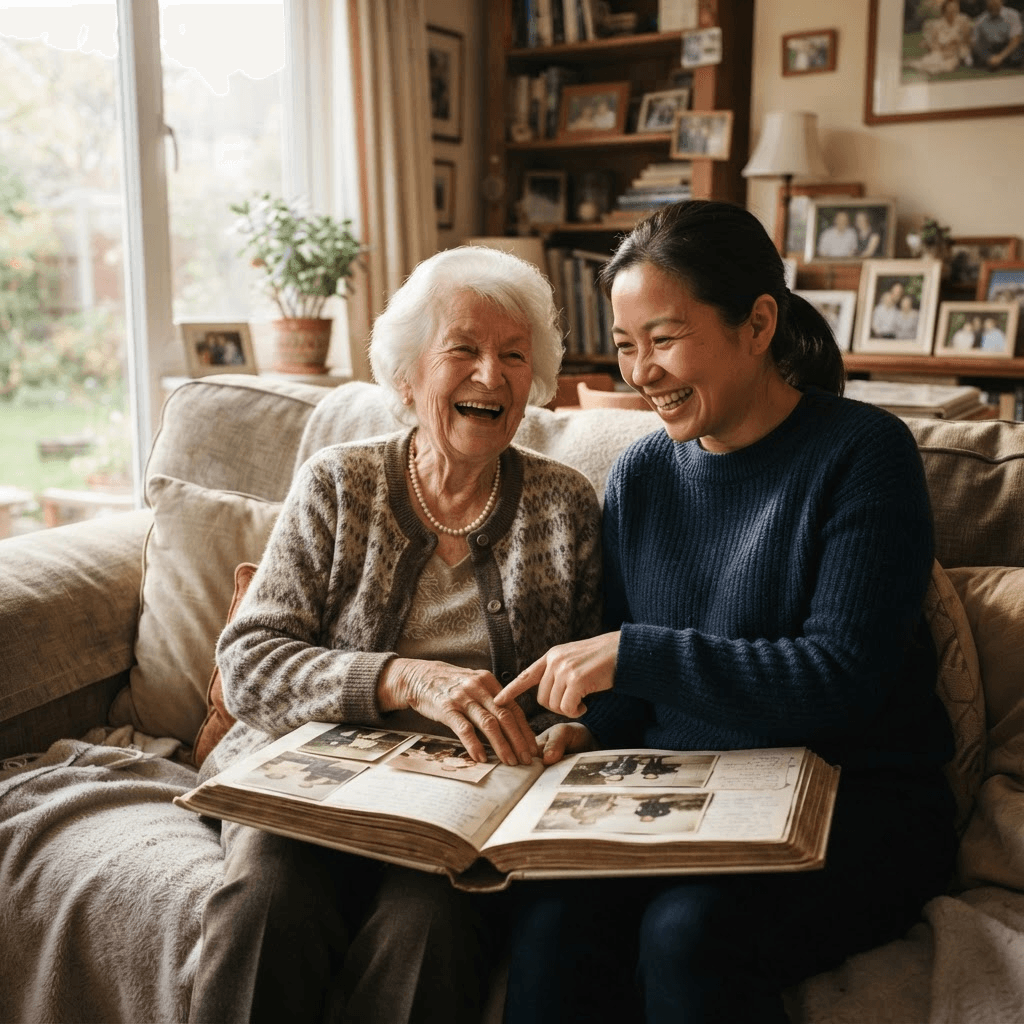
Companion care provides dedicated emotional support, mental stimulation, and friendly company for seniors living alone or experiencing isolation. Morning Glory companions engage in active listening, play cards and games, share memories, assist with hobbies, accompany clients on walks, and provide a secure, joyful presence in the home.
Understanding Companion Care & Social Engagement
Companion care is non-medical care focused on the emotional, psychological, and social well-being of older adults and individuals who spend long hours alone. Beyond practical task assistance, companion caregivers form warm, authentic human connections, stimulating cognitive vitality and creating joyful daily experiences.
Clinical Context & Evidence-Based Framework
The U.S. Surgeon General and National Institute on Aging highlight social isolation as a major public health risk, equivalent to smoking 15 cigarettes a day and associated with a 50% increase in dementia risk. Morning Glory companion care provides structured cognitive engagement, reminiscence therapy, and positive socialization that significantly lowers depression, anxiety, and cognitive decline.
What Our Companion Care & Social Engagement Includes
Cognitive Vitality & Emotional Autonomy Through Purposeful Engagement
True independence extends beyond physical function: it requires mental vitality, emotional resilience, and a sustained sense of personal purpose. Morning Glory companion care actively combats the insidious effects of loneliness and social withdrawal by providing stimulating intellectual dialogue, creative engagement, and cheerful human connection. Seniors are empowered to share memories, pursue lifelong hobbies, and remain vibrant participants in daily life.
Cognitive Stimulation & Neural Engagement
Regular intellectual conversations, word games, memory books, and trivia stimulate active neural pathways, slowing cognitive decline and sharpening daily mental clarity.
Emotional Well-Being & Depression Alleviation
Having a dedicated, compassionate companion to talk with builds feelings of self-worth, alleviating the severe depression and anxiety often associated with living alone.
Reconnection with Creative Hobbies & Interests
Whether tending a raised garden bed, baking beloved family recipes, or creating art, companions provide the steadying encouragement needed to enjoy lifelong passions.
Active Community Confidence & Outdoor Walks
Accompanied strolls in neighborhood parks, visits to local libraries, and attending community events empower seniors to remain engaged in society.
Bridging the Gap for Distant, Working, & Multi-Generational Families
When demanding careers, parenting duties, or geographic distance make daily visits impossible, Morning Glory acts as your trusted, compassionate eyes and ears. We bridge generational divides by facilitating family video calls, sharing joyful daily updates, and monitoring subtle emotional or physical shifts.
Facilitated Family Video Connections
Caregivers help seniors effortlessly set up FaceTime, Zoom, and photo sharing on tablets, ensuring frequent, joyful visual contact with grandchildren and out-of-town family.
Heartwarming Daily Shift Updates
We capture and share positive moments, funny conversations, and artistic milestones so families stay deeply connected to their loved one's daily joys and emotional state.
Early Warning for Mood & Behavioral Shifts
Companions are trained to notice subtle signs of apathy, sadness, cognitive confusion, or grief, alerting family members promptly so proactive adjustments can be made.
Guilt-Free Peace of Mind for Busy Families
Adult children can focus on careers and family responsibilities without the persistent guilt and worry of leaving an aging parent isolated in a quiet home all day.
Who May Benefit From Companion Care & Social Engagement?
- Older adults living alone who experience loneliness, grief, or social isolation
- Seniors experiencing early-stage memory loss who benefit from structured mental engagement
- Adults whose family members work full-time or live in another city or state
- Individuals who have lost a spouse or lifelong companion and need daily connection
- Seniors who have ceased driving and miss regular community engagement and conversation
How We Implement Your Companion Care & Social Engagement Care Protocol
Life Story & Interest Discovery
We explore the client's personal history, career memories, favorite music, books, hobbies, and conversational style.
Caregiver Personality Matching
We thoughtfully match clients with companions who share compatible temperaments, interests, and conversational pacing.
Purposeful Daily Engagement
Visits incorporate structured activities (from memory books to garden walks) that stimulate mental agility and positive emotions.
Family Connection Updates
Caregivers provide regular observational updates to family members, celebrating joyful moments and noting emotional shifts.
Safety Protocols & Quality Controls
- Full background verification including nationwide criminal checks and motor vehicle records
- Gentle de-escalation training for managing anxiety, repetitive questions, and agitation
- Immediate reporting of sudden mood changes, withdrawal, or confusion to family
Frequently Asked Questions About Companion Care & Social Engagement
How is companion care different from personal care?
Can companion caregivers play games or help with computer and tablet use?
How do you match a caregiver with my loved one's personality?
Request Companion Care & Social Engagement
Connect with our care coordinators to discuss a personalized care plan tailored to your loved one's daily routine.